Health

Make lifestyle changes

Lifestyle changes are key to managing CHF. Your doctor may offer slightly different recommendations based on your individual diagnosis.

Technology has changed the health care landscape in so many ways, especially in access to care and removing barriers to getting care.

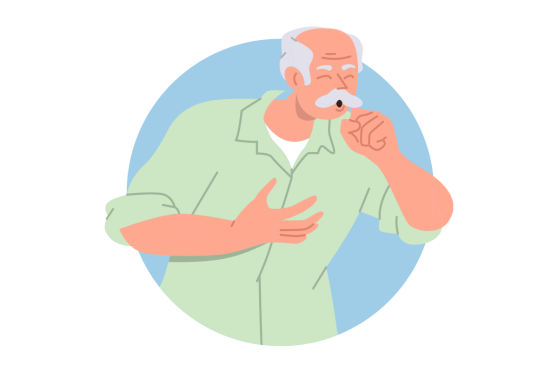
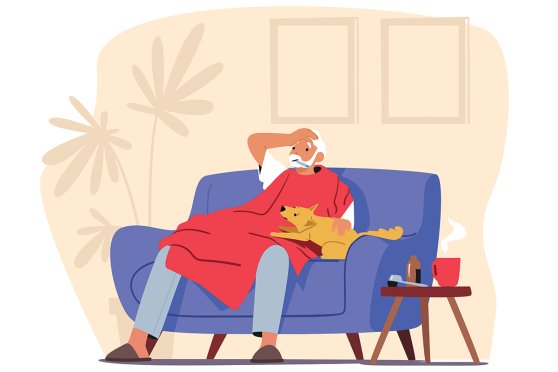
You know the drill: You start to feel a runny nose or sore throat coming on. After a day or so, you may be coughing, too. But do you have a fever? Has your sense of taste or smell changed? Get to know the symptoms of a cold, the flu, and COVID-19.
Routine preventive health screenings can help you detect underlying conditions earlier, when they’re easier to treat. Here are a few that you might need — ask your primary care provider which ones are right for you.
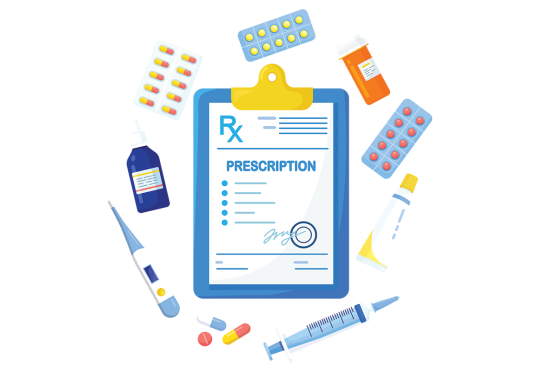
When your child starts on any prescription, there can be an adjustment period. This can be especially true with attention deficit hyperactivity disorder (ADHD) medicines. But you have every reason to feel optimistic. With the correct prescription medication at the right dosage, your child can show great improvement. That’s why it is important for children to visit the doctor within 30 days after they begin taking ADHD medication.

Being discharged from the hospital or emergency room is an important step in a child’s recovery journey. But it’s not the end of the road. Most caregivers and children will need to continue managing the child’s health in the days and weeks following hospitalization. Learn more about why this is so important.
Taking medications as prescribed is an important step toward long-lasting improvement and lowered risk of hospitalization. Another key step? Keeping up with your healthcare provider appointments for monitoring and any necessary adjustments. Learn more about the ins and outs of medication management with the following information.